A Research Led Artistic Practice
ArcheoTypes 2.0 has evolved through a research-driven approach that blends documentary photography, videography, oral history, mapping, photogrammetry, 3D scanning, archival overlays, and heritage-based investigation. This way of working aligns with the growing movement of the artist-researcher a practice where creative expression is inseparable from inquiry, documentation, and community engagement. In a time when neighbourhoods change rapidly and cultural memory can disappear just as quickly, this kind of creative research becomes vital. It remind us why digitisation, record-keeping, and the preservation of family and community histories matter, and why understanding what we stand to lose is as important as celebrating what remains. Preservation is not an act of nostalgia; it is an act of care.
Digitising objects, stories, and places ensures that they stay accessible even as our environment shifts. Heritage is not limited to the monumental or the officially recognised — it lives in the everyday textures of community life. By building a digital archive, ArcheoTypes 2.0 seeks to protect vulnerable histories, honour everyday culture, and create a meaningful bridge between physical spaces and their digital echoes, allowing memory to become an evolving, shareable resource.
As the project continues to grow, it will serve as the foundation for future mixed-media exhibitions, immersive experiences, community engagements, public programs, and collaborations with cultural and heritage organisations. ArcheoTypes is not a finished work but a living process shaped by the people who participate.
I am deeply grateful to everyone who has shared their memories, objects, and trust. Your stories are the heartbeat of this project. ArcheoTypes belongs to all of you, and I hope it inspires others to see their surroundings with renewed curiosity, to value the histories woven into everyday life, and to recognise storytelling as one of our most powerful forms of preservation.
ArcheoTypes 2.0 People, Place & Memory
A reflection on connection, community, and the art of preserving our shared heritage
Over the past year, the ArcheoTypes 2.0 project has taken me on an intimate and unexpected journey through the stories, objects, and lived memories of the Waverley community. Developed during my residency at the Bondi Pavilion Yalagang Room and installed in the Artist Studio, the project expands upon the first ArcheoTypes series by looking beyond personal objects to the deeper relationship between people place and memories.
Connecting People, Objects, and Stories
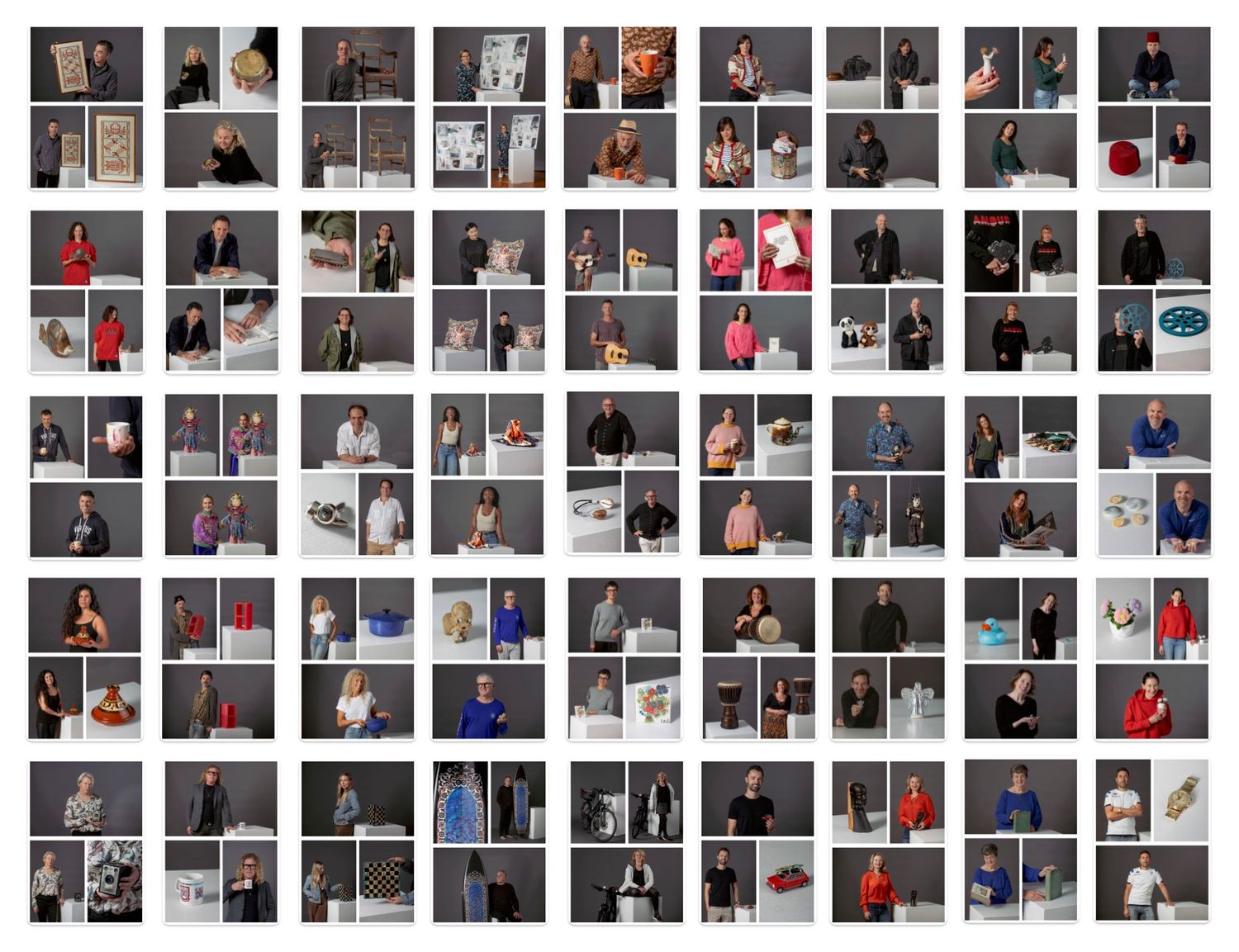
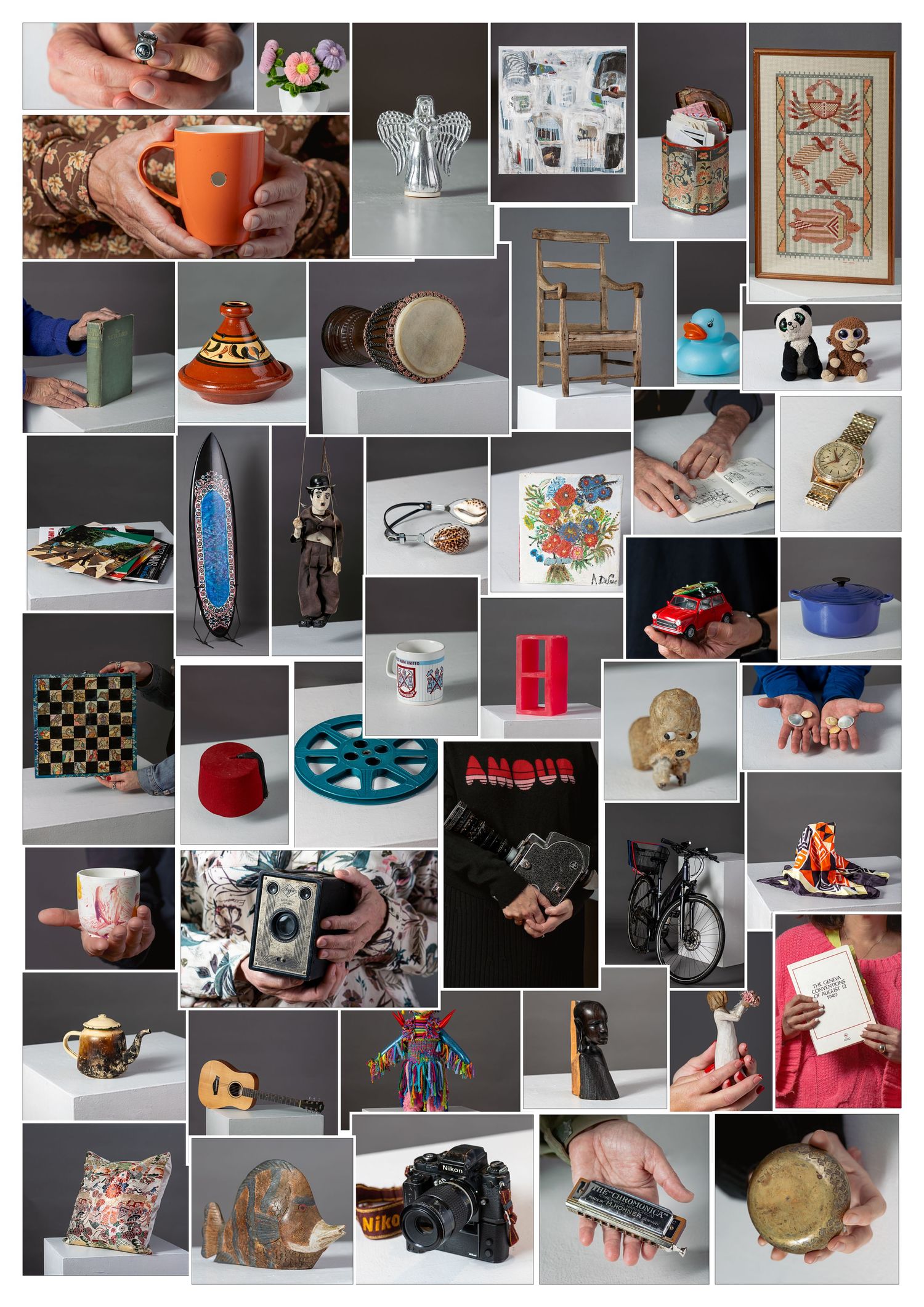
Each participant who visited the studio arrived with an object and a story sometimes simple, sometimes layered, always meaningful. These encounters quickly became the emotional centre of the project. What struck me most was how each item held far more than its physical form. A book, tea pot, a box full of letters, a painting a camera these seemingly ordinary things carried decades of memory, emotion, migration, identity, and family history. Through conversation, it became clear that the stories people shared were the real archive, and the objects were simply the entry point. Words and images alone cannot fully hold the depth of these exchanges, but together they create a rich tapestry of lived experience.
The Role of Place: Waverley as a Living Archive
As the project grew, I became increasingly aware that the landscape itself was speaking.
The cliffs of North Bondi stretching north & South, the remaining heritage pockets of Waverley all of these places hold traces of past generations. The marks left by the Bidjigal, Birrabirragal, and Gadigal people remain fundamental, forming the cultural foundations of this land long before contemporary stories began to be recorded. Walking, observing researching, scanning, and photographing these spaces reinforced a powerful truth: Place is not passive. It is a living record shaped by time, people, memory, and is always transforming. The physical environment carries stories just as strongly as the objects we keep in our homes.
SOS ABORIGINAL ROCK ART BONDI BEACH
I deeply acknowledge that I live near a sacred place, and I cannot overlook the importance of art and culture especially when it belongs to the First Peoples of this land and more deeply to humanity. While we safeguard museum artefacts, restore heritage buildings, and protect other sacred places with care and duty, the treasures left in the open often fade into the background. Scattered across our coastline are ancient rock engravings and cultural markers that hold the memory of countless generations, yet time, weather, and human neglect continue to claim them. Standing before these carvings in my own neighbourhood, I feel both awe and sorrow: awe for the stories etched into stone by the original custodians of this land, and sorrow for how easily these stories can disappear without dedicated protection. I am certainly not the first to raise this concern many sacred sites across the country face the same quiet erosion and yet, close to my heart is the hope that we can do better. Part of ArcheoTypes is a call to look closer and recognise what is slipping away, and to remember that our shared responsibility begins right where we live.


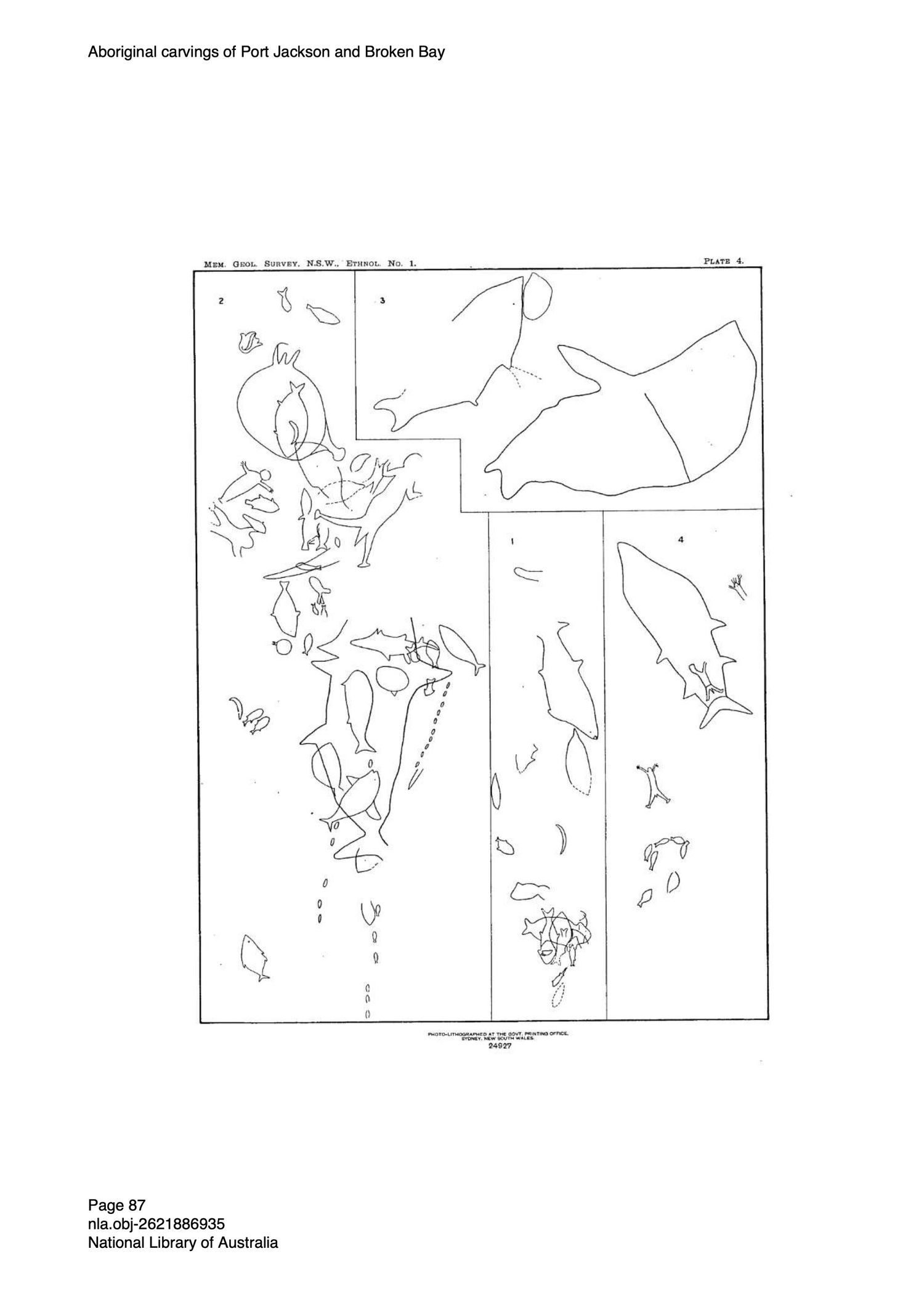

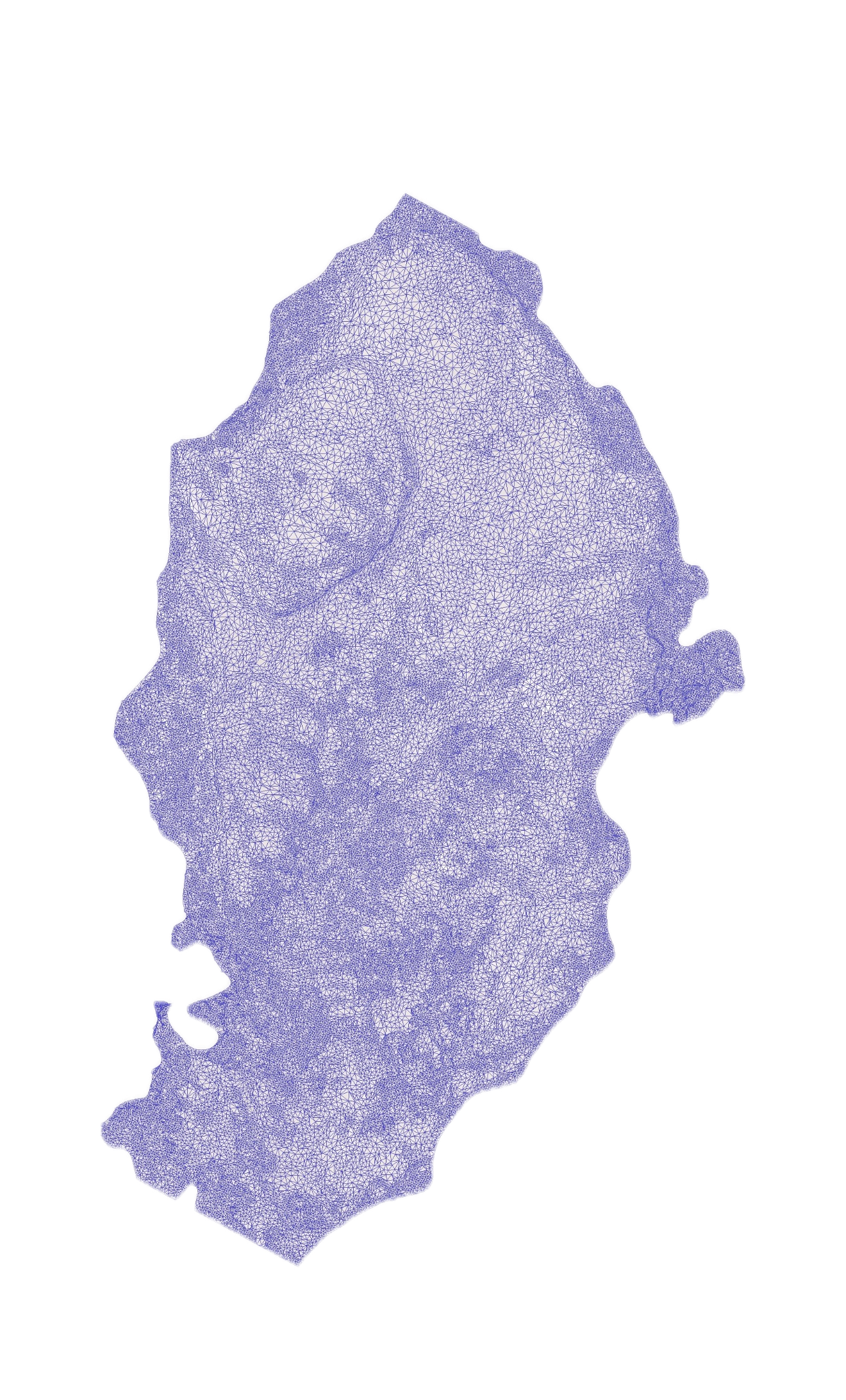
Lidar Scan of North Bondi Aboriginal Rock Art Engravings
Areal image of North Bondi Aboriginal Rock Art Engravings